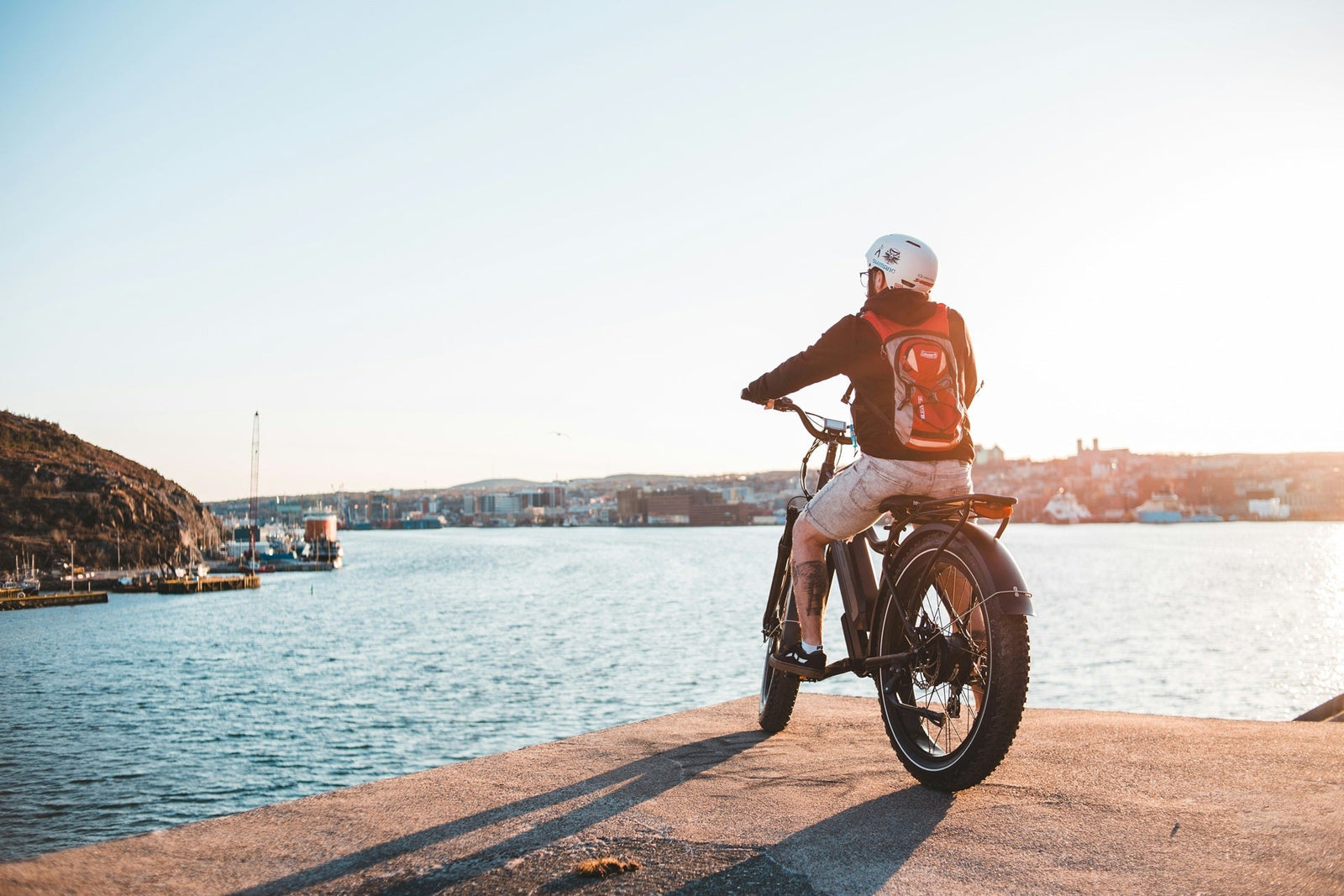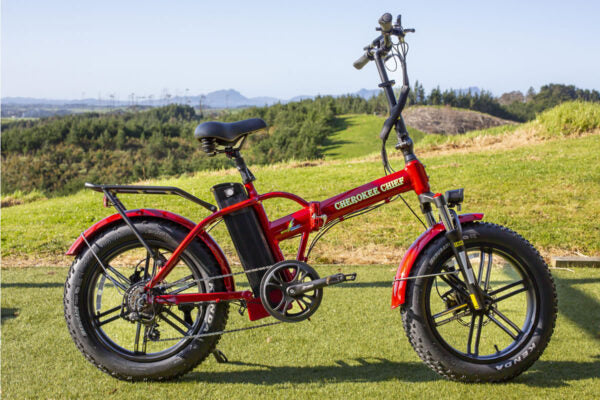

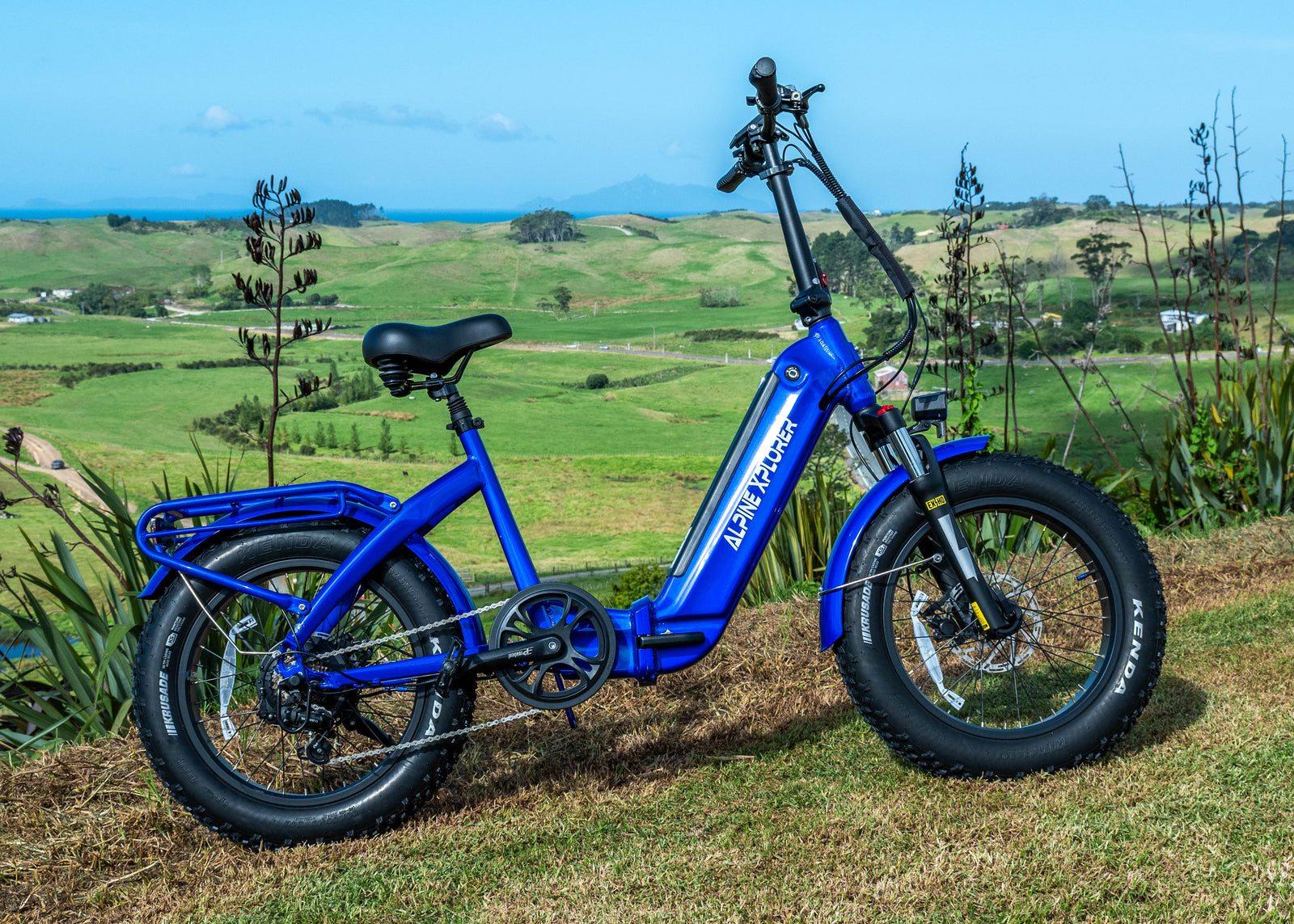

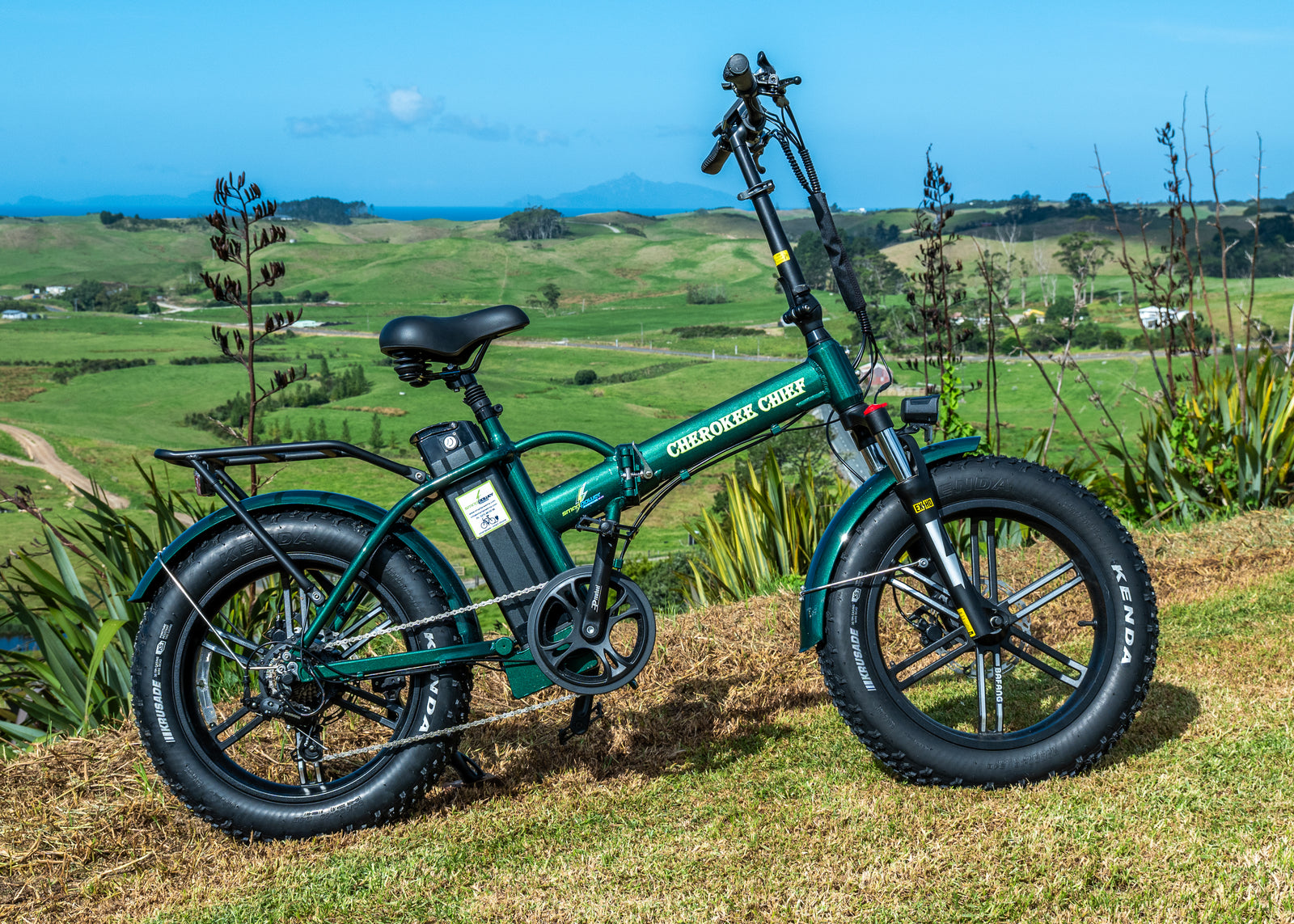

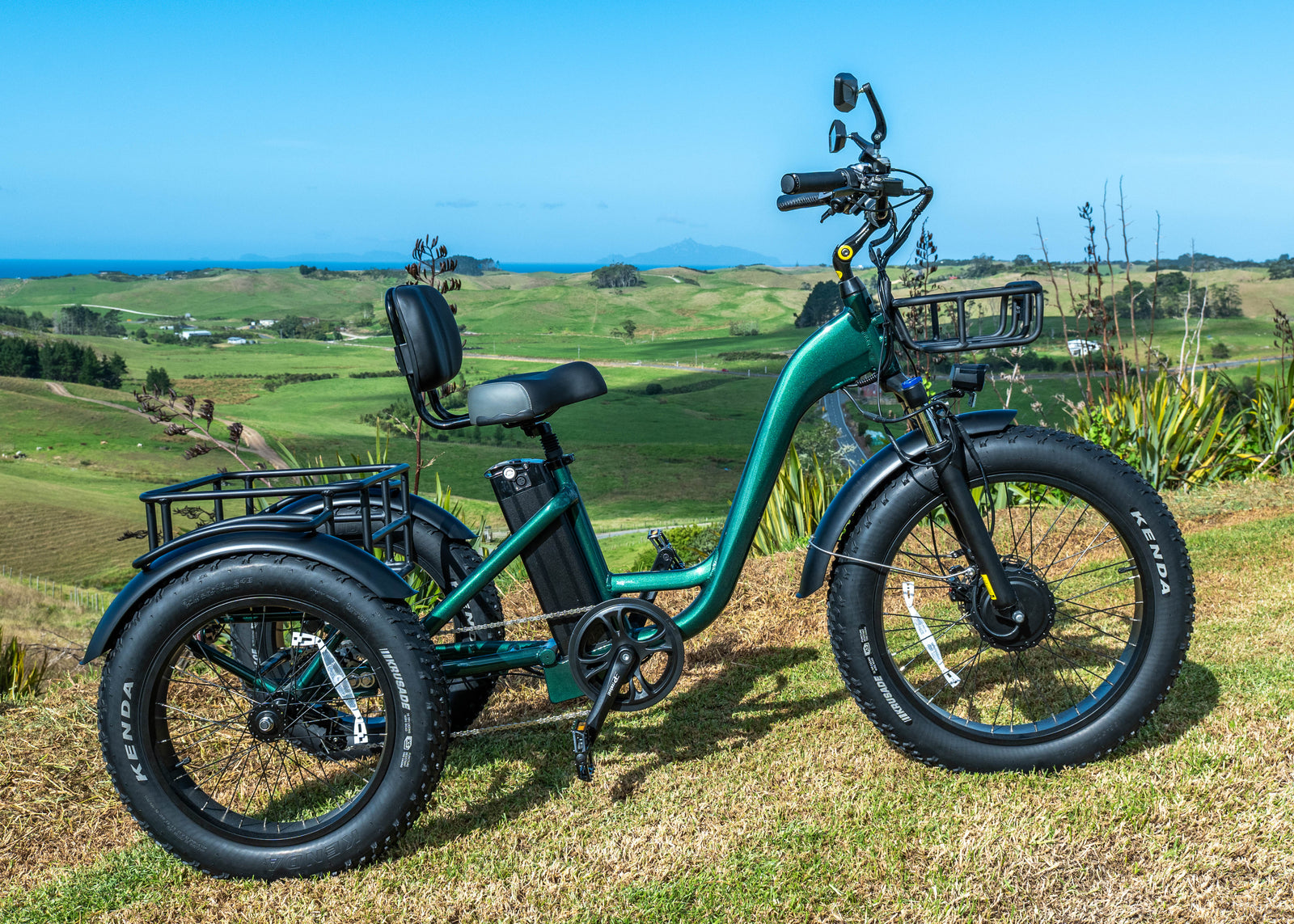

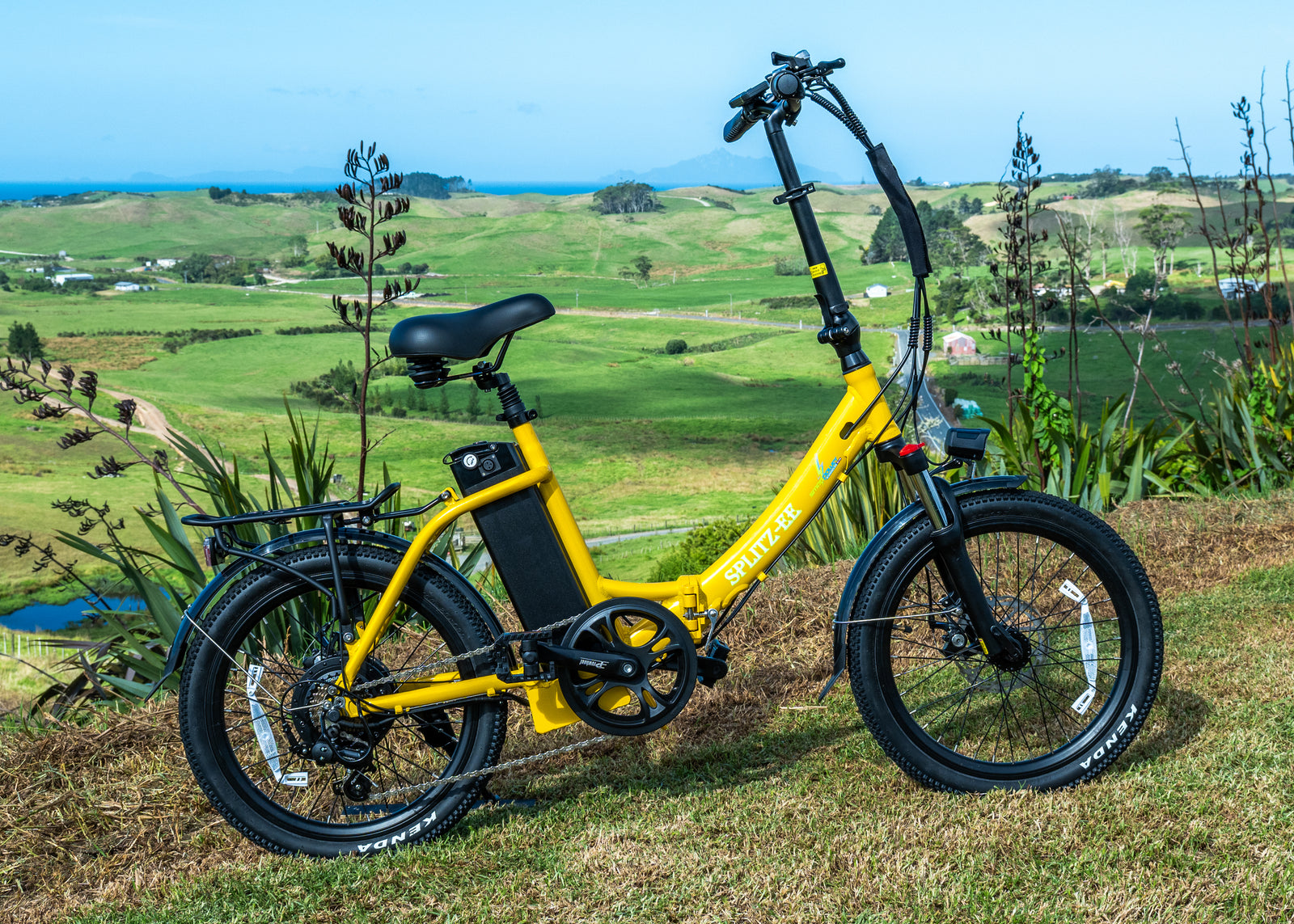

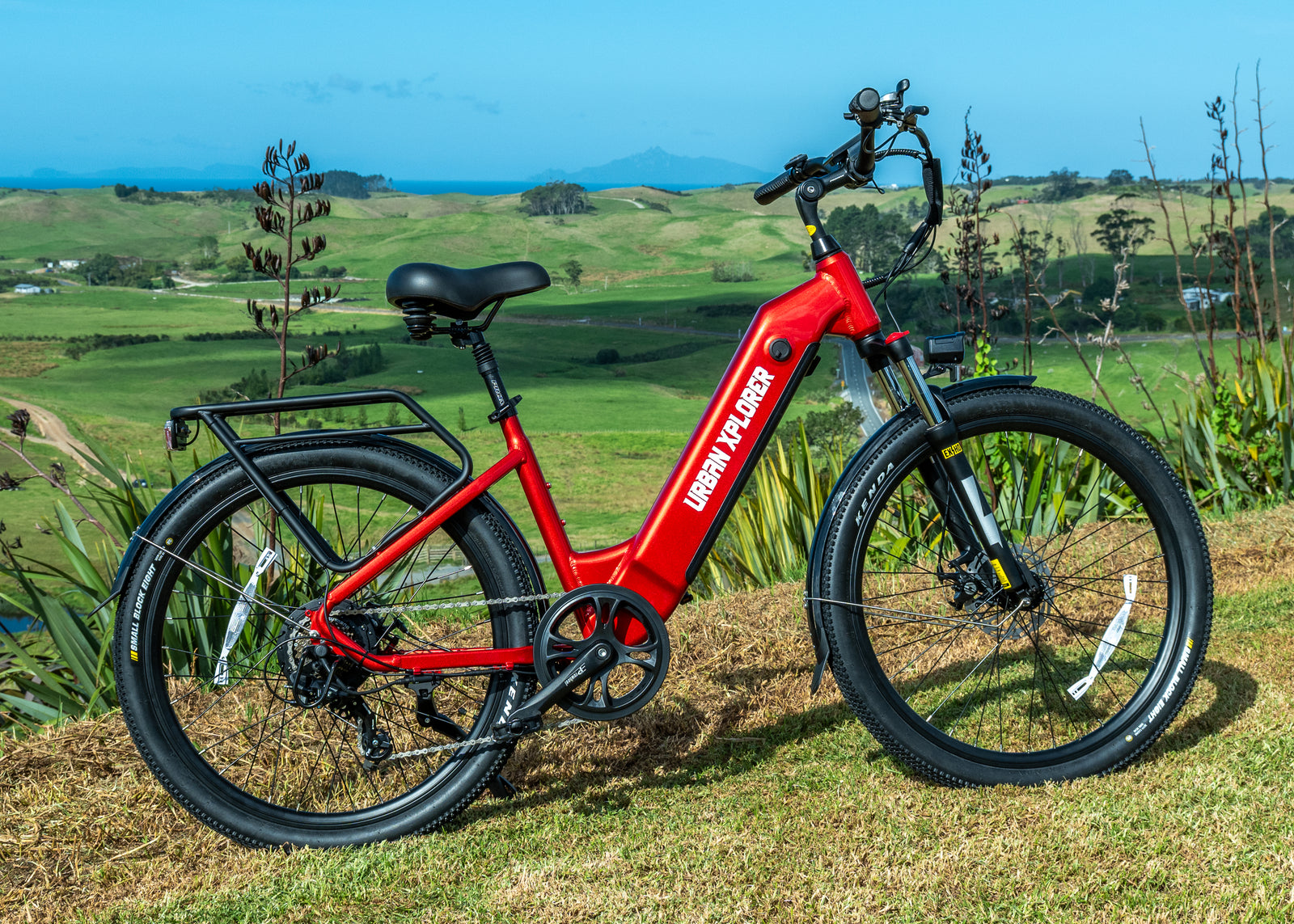

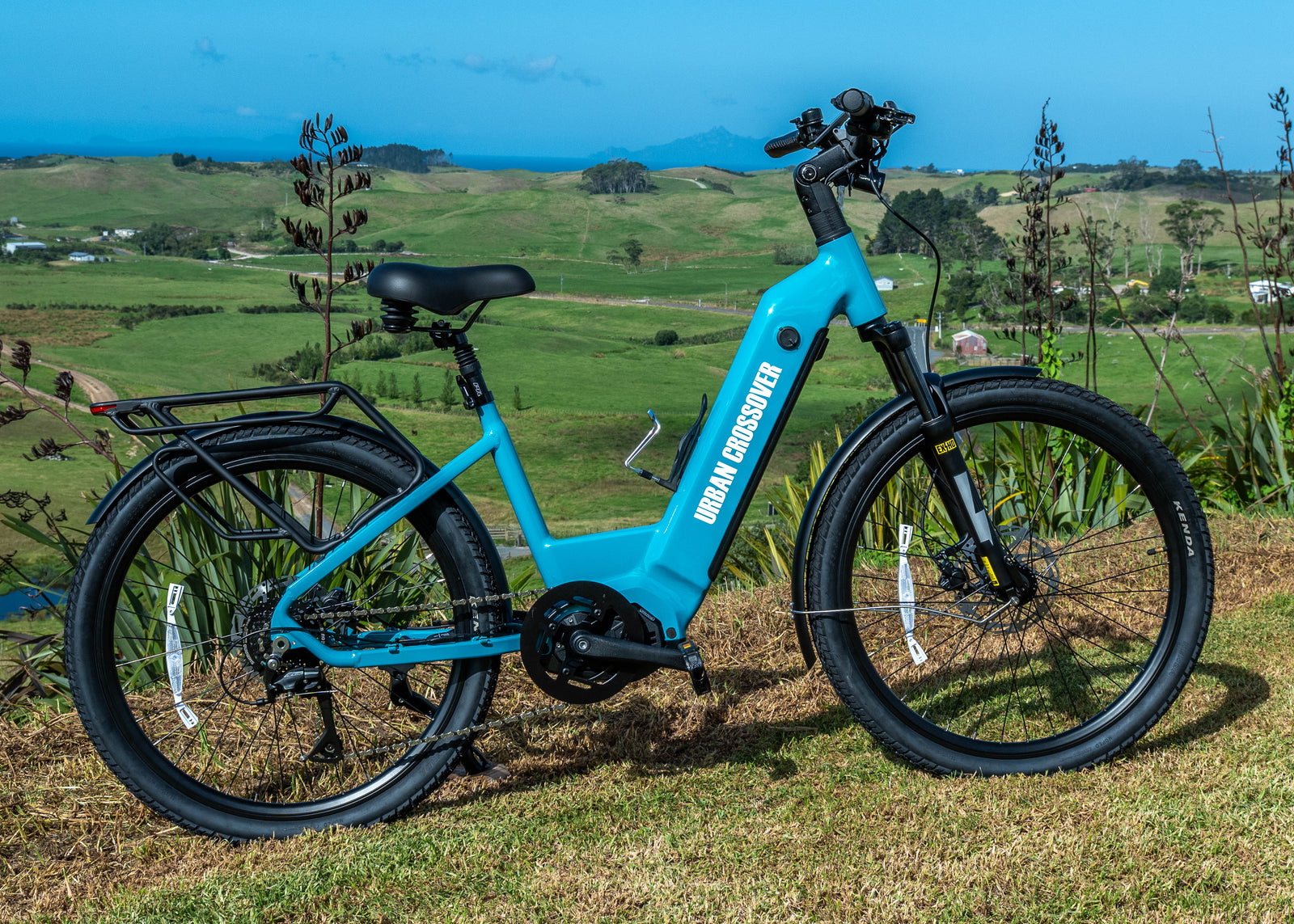

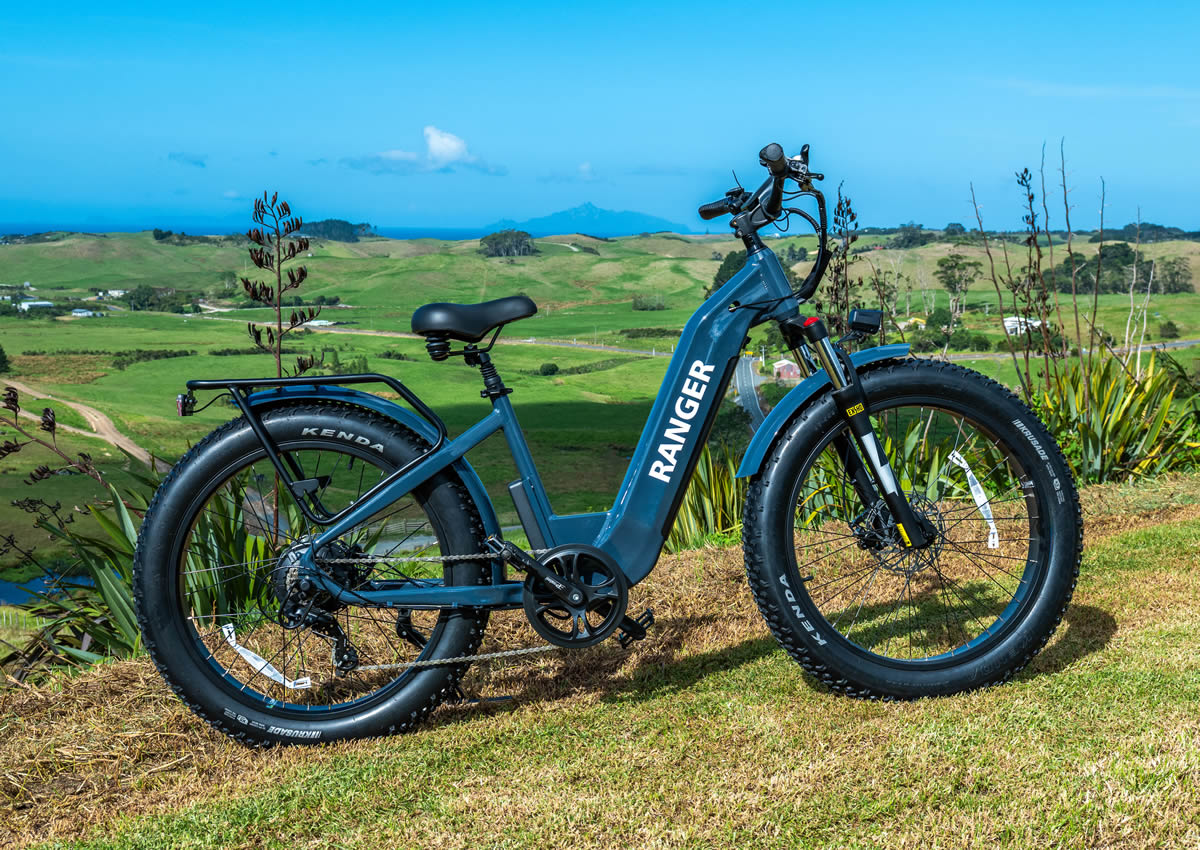


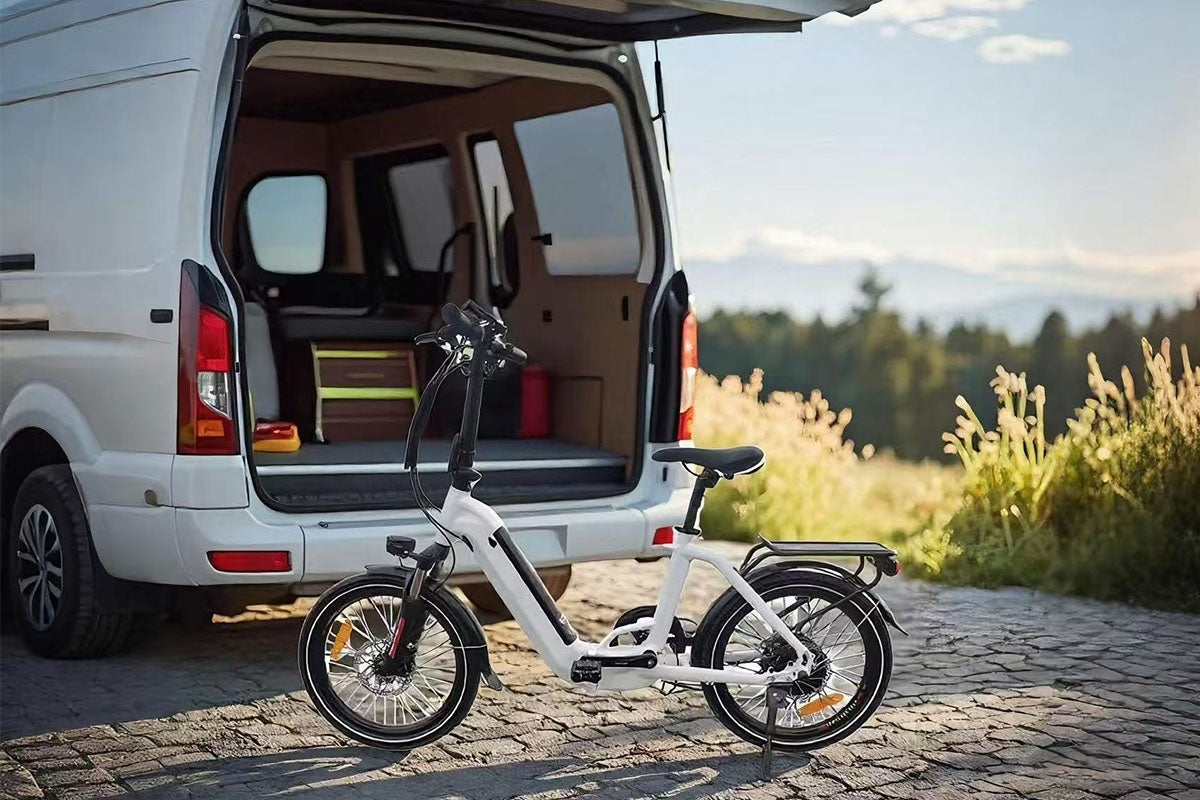

If you're touring Aotearoa in a motorhome or campervan, one of the most useful travel companions can be a compact folding electric bike. When you've parked up – whether at a DOC campsite by a lake, a holiday park in the Coromandel, or a freedom camping spot in Central Otago – it's often easier (and more fun) to explore on two wheels than by car.
Here’s how to pick the right e-bike for your NZ campervan adventures.
1. Prioritise Portability
-
Choose a folding frame: This makes it much easier to store the bike in tight campervan compartments, under seats, or in your “garaging” space.
-
Look for lightweight builds: Many folding bikes in this category use aluminium alloy frames — durable, resistant to moisture (important when travelling up and down the coast), and easier to carry when folded.
-
Adjustable handlebars are a bonus: They let you tailor the ride to your height, reducing strain on your back or neck during longer rides.
2. Think About Charging Logistics
-
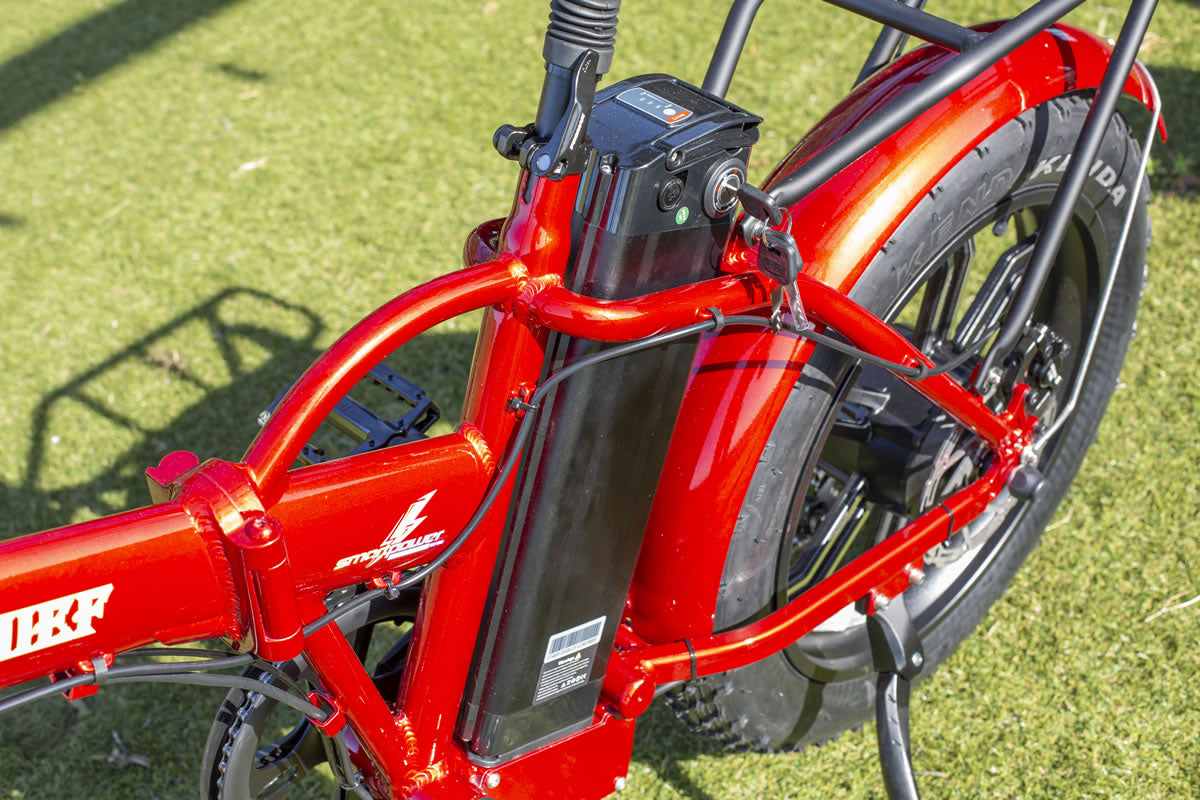
Opt for a detachable battery: This is very useful when travelling in a motorhome. Rather than ride the bike to a power point, you can remove the battery and bring it inside to charge via your onboard socket.
-
Consider how often and where you’ll charge: Some holiday parks or remote campsites may not have easily accessible power outlets.
-
Take care of battery storage: When folded up outside, it’s best not to leave the battery exposed to strong sun or wind.
3. Measure Your Storage Space
-
Before you shop, measure the storage areas in your campervan — aisle cupboards, under-seat lockers, or overhead bins. Compare those dimensions with the folded size of a bike. Lantu notes many compact models fold down to around 30″ × 20″ × 10″ (or similar).
-
Double-check any bike rack or cargo carrier you use on your motorhome: weight is a key factor, especially with e-bikes. As Motorhomes, Caravans & Destinations NZ highlights, sturdy racks are critical and many e-bikes are fairly heavy.
4. Comfort & Safety for Touring
-
Go for adjustable handlebars so you can fine-tune your ride as you go.
-
Choose a model with a reliable braking system and good control — especially if you're riding gravel roads, rural lanes, or tracks near campsites.
-
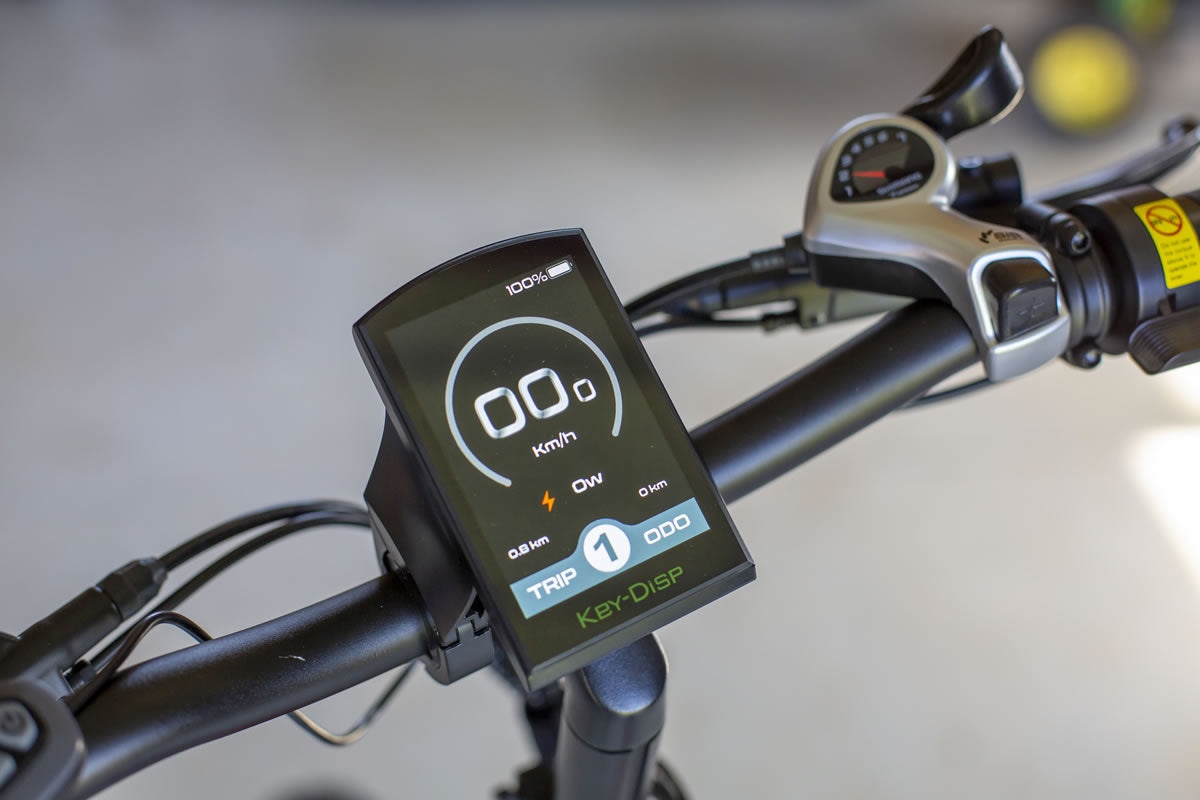
Be aware of e-bike regulations here: The New Zealand Transport Agency (Waka Kotahi) recommends e-bikes with a max speed cut-out (on assist) around 25 km/h, and motors placed at the rear or mid-drive for better handling.
-
Also check trail access rules: Some land managers in NZ may restrict high-powered e-bikes (especially over 300 W) on shared or conservation trails.
5. After-Sales Service & Local Support
-
Buying from a brand or retailer with a presence (or distributor) in New Zealand is ideal — that way, servicing, warranty claims, and spare parts are simpler.
-
Consider battery capacity and range: According to Consumer NZ, range can be heavily influenced by terrain, rider weight, and how much you pedal versus using full assist.
-
Safety checks: As with any e-bike, test it in a low-traffic area first to get used to how the assist feels, especially if you're new to e-bikes. Waka Kotahi encourages practising stopping, starting, and handling in a safe space.
6. Environmental Benefits & Travel Lifestyle
-
Using an e-bike for local trips can reduce your carbon footprint. In New Zealand, switching short car trips (or van moves) to bike trips can have a real environmental impact.
-
Plus, it's a great way to combine your love of van life with active, sustainable travel: ride to nearby walks, lakesides, markets, or viewpoints without having to move your home-on-wheels.