






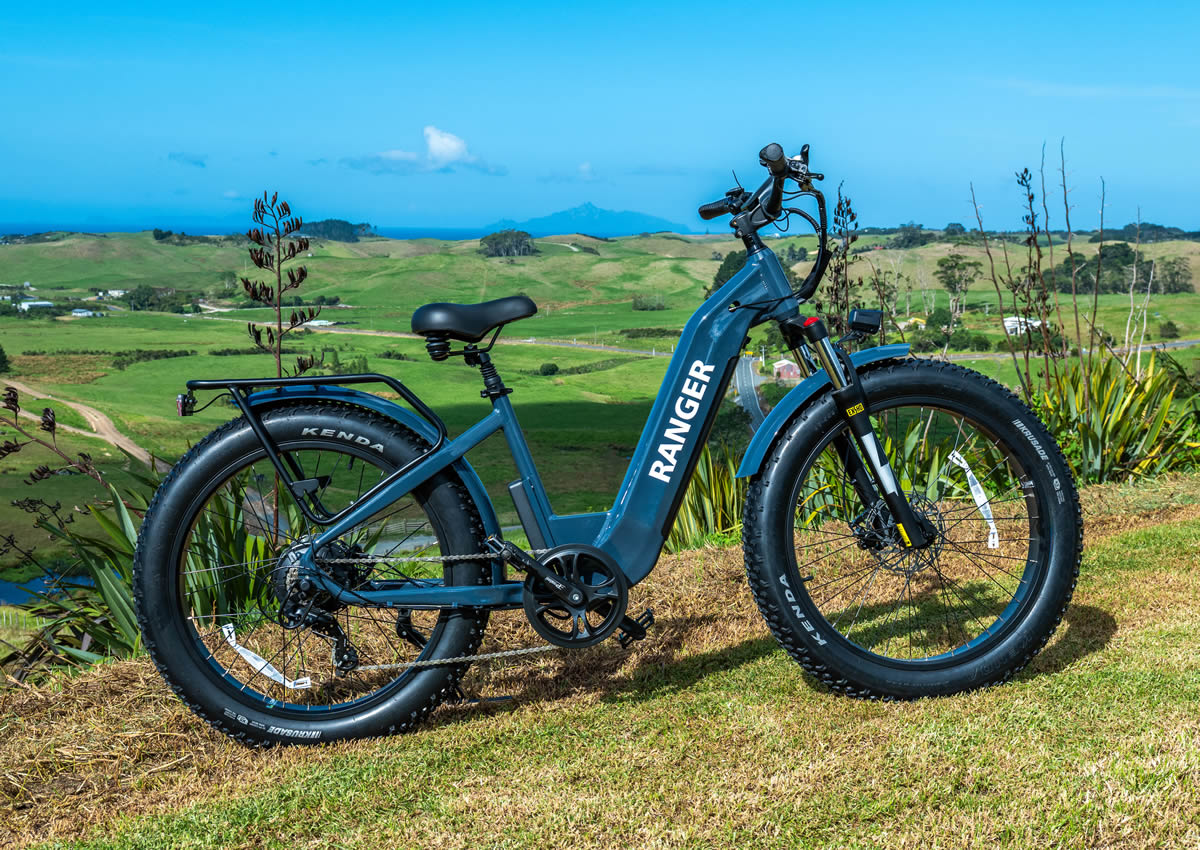



While electric bikes (e-bikes) and regular bicycles share the familiar two-wheel form, they differ significantly in how they deliver power, their riding experience, running costs, and when they’re most useful. Here’s a breakdown of those key differences — with a view from a New Zealand perspective.
1. Power Systems: Muscle vs Motor
-
Ordinary bikes rely entirely on human effort. When you pedal, your legs drive the chain, which turns the wheels. Your speed depends on how hard and how long you pedal — especially when going uphill or covering long distances.
-
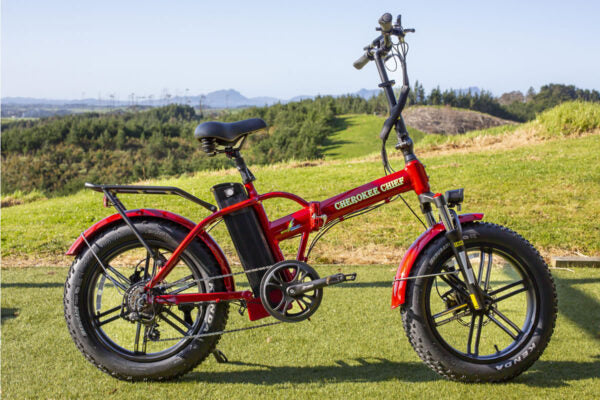
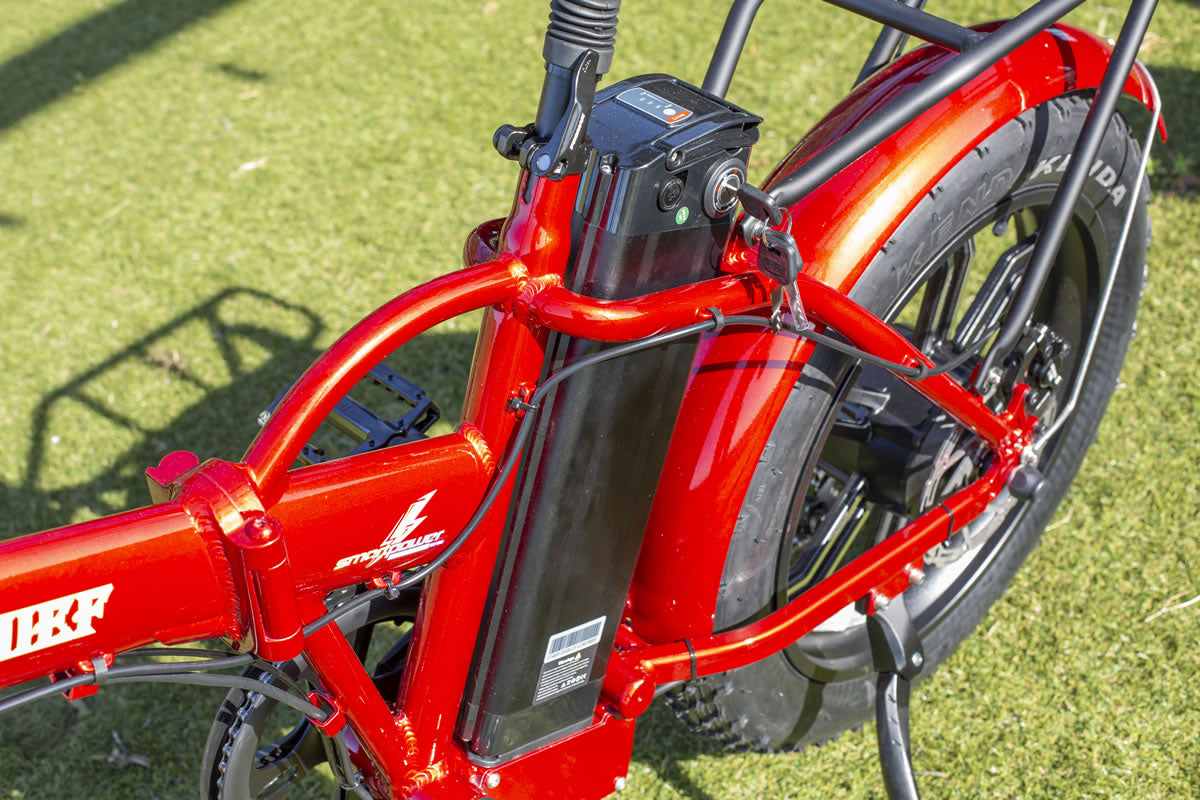
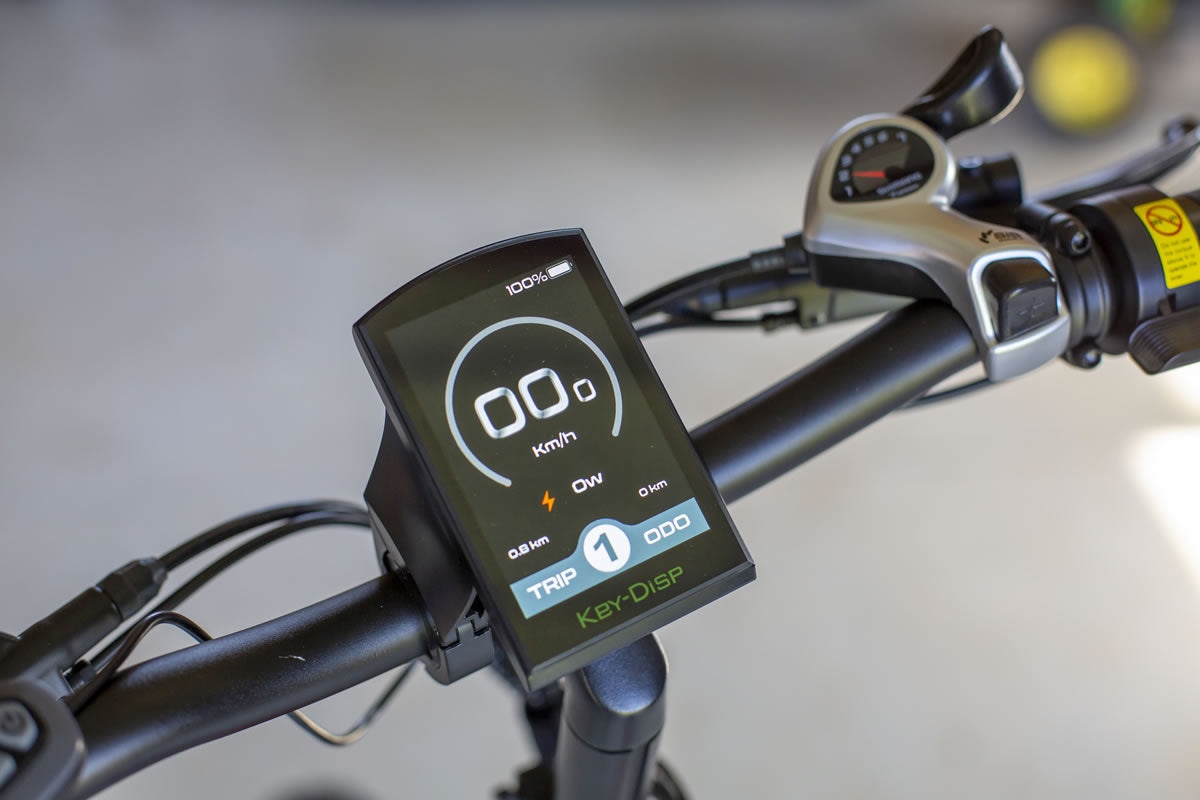
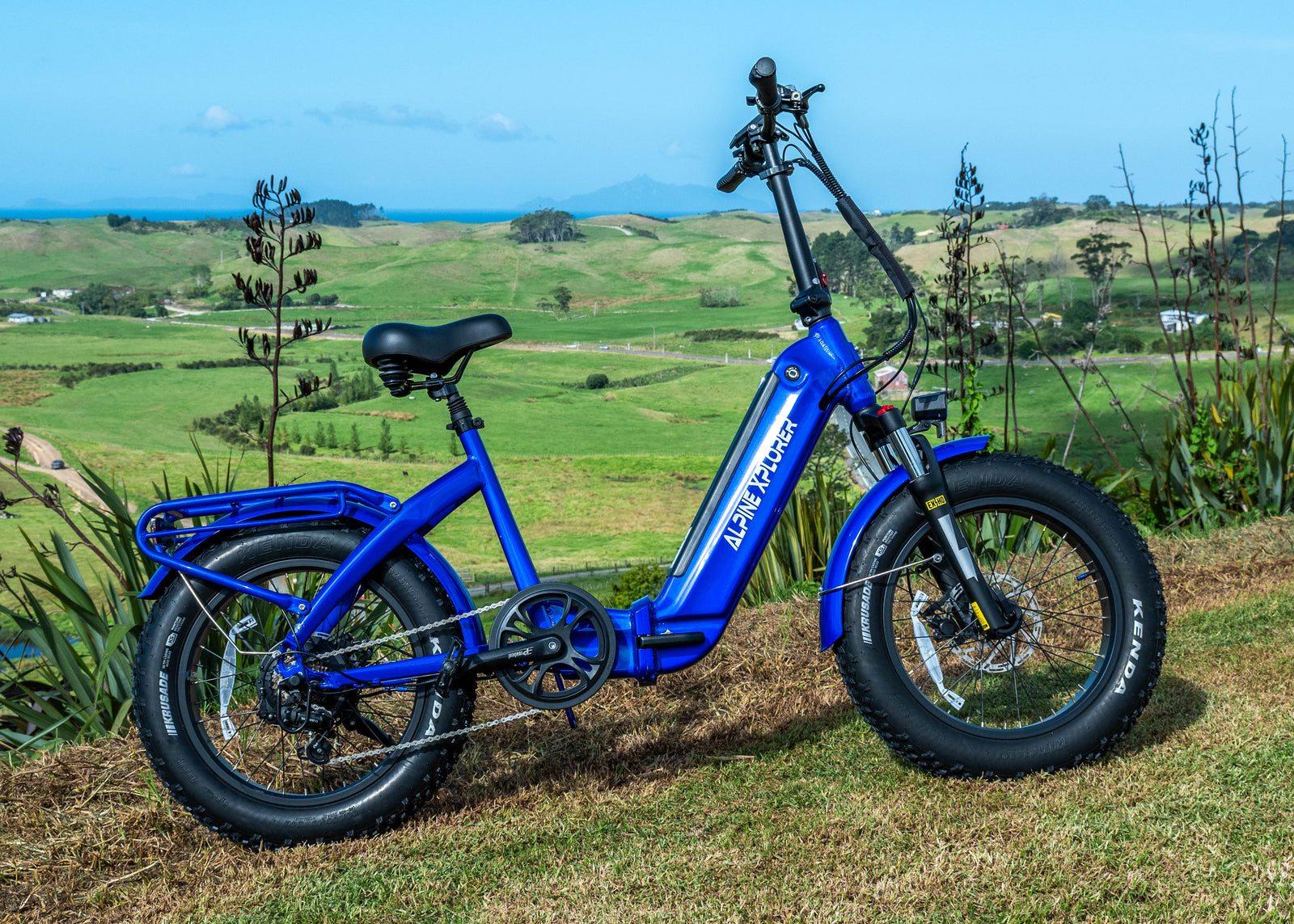
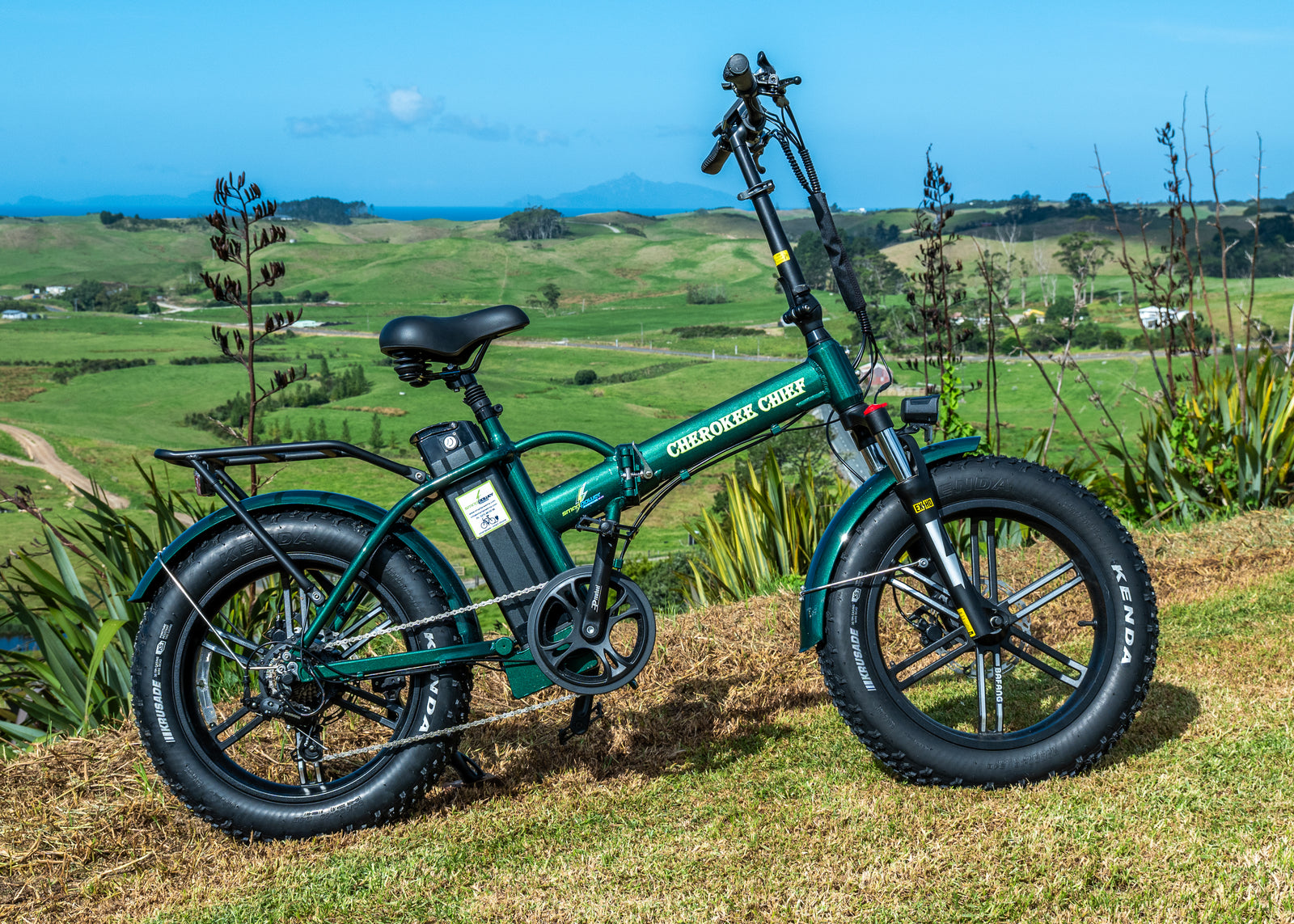
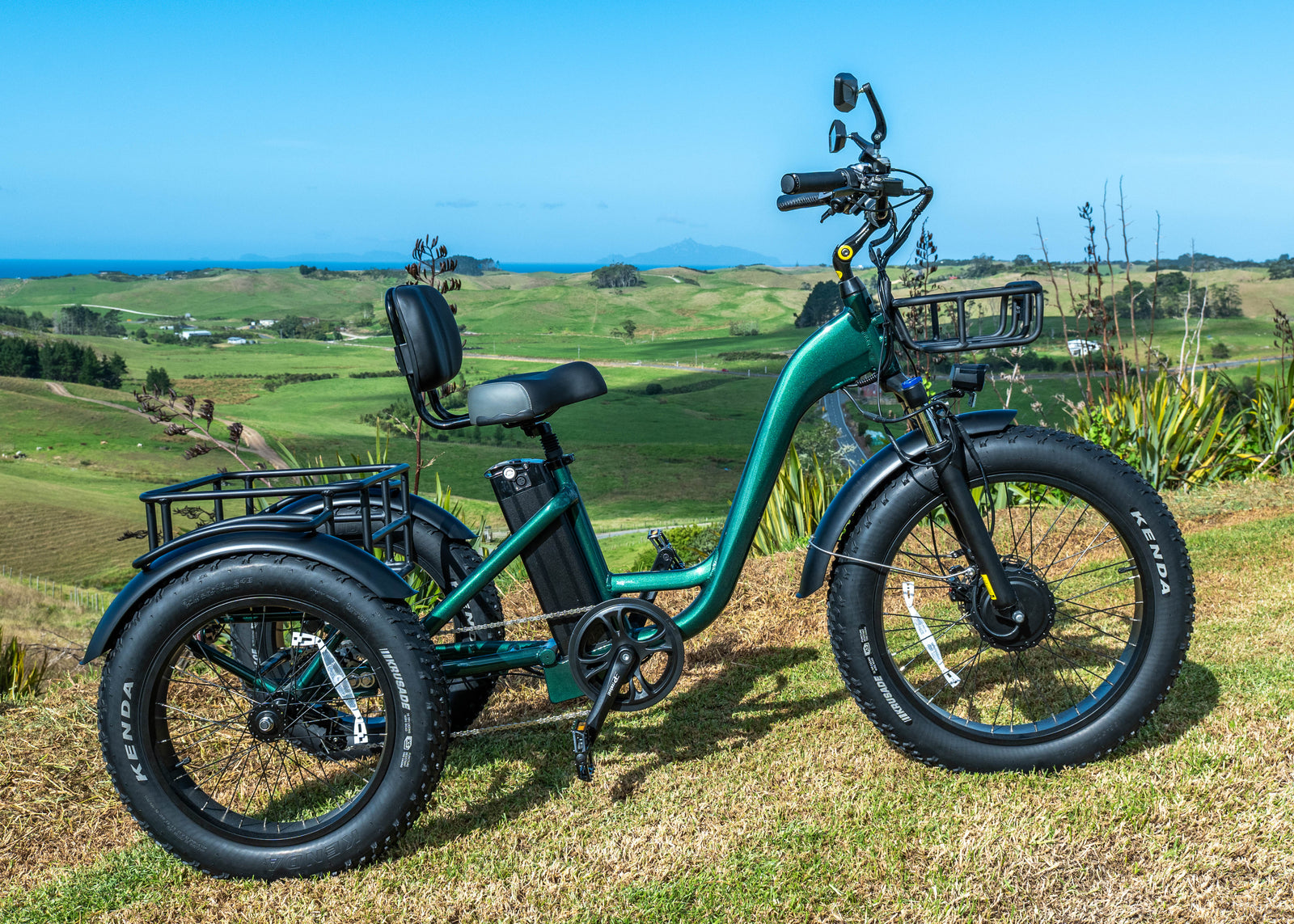
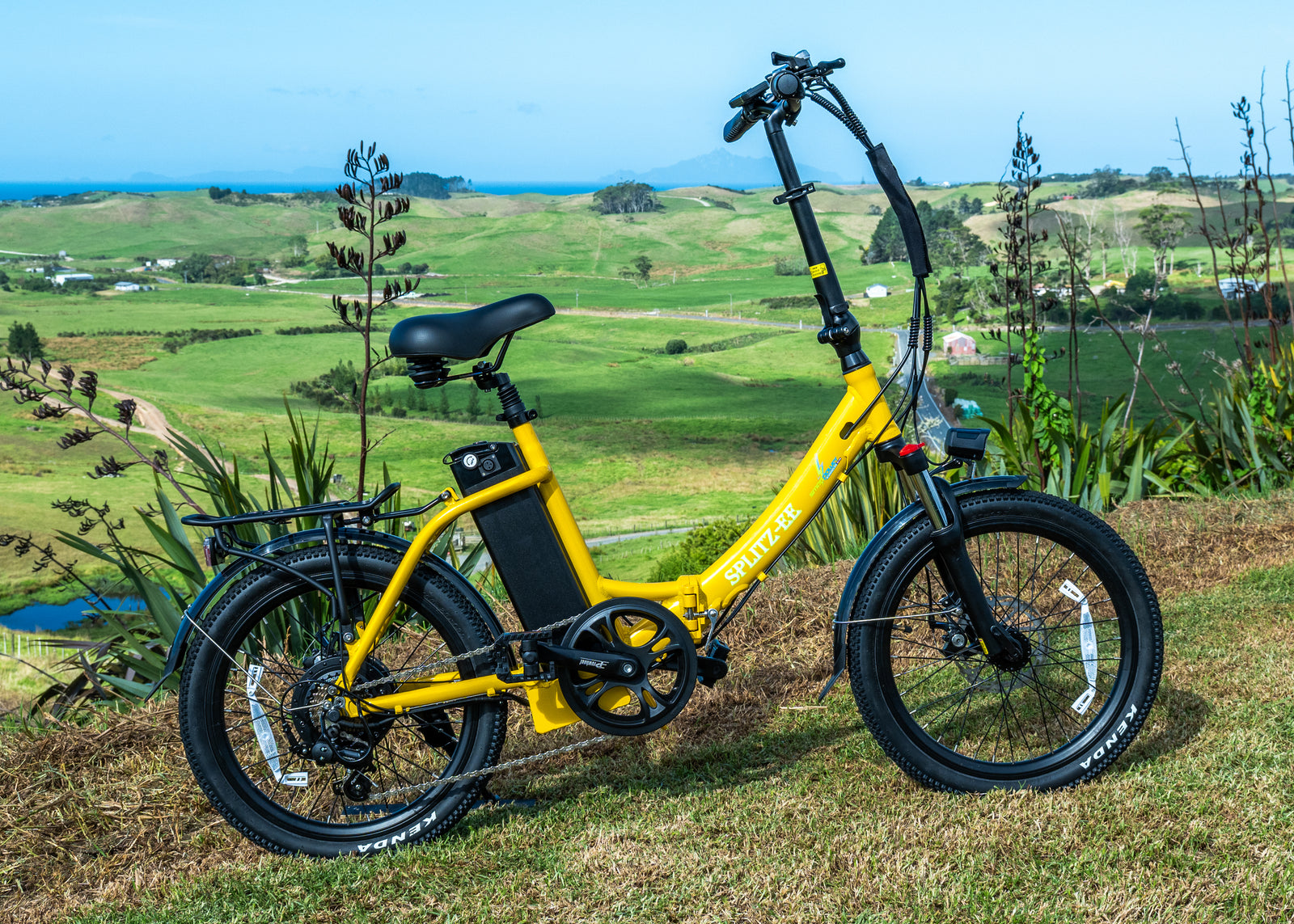
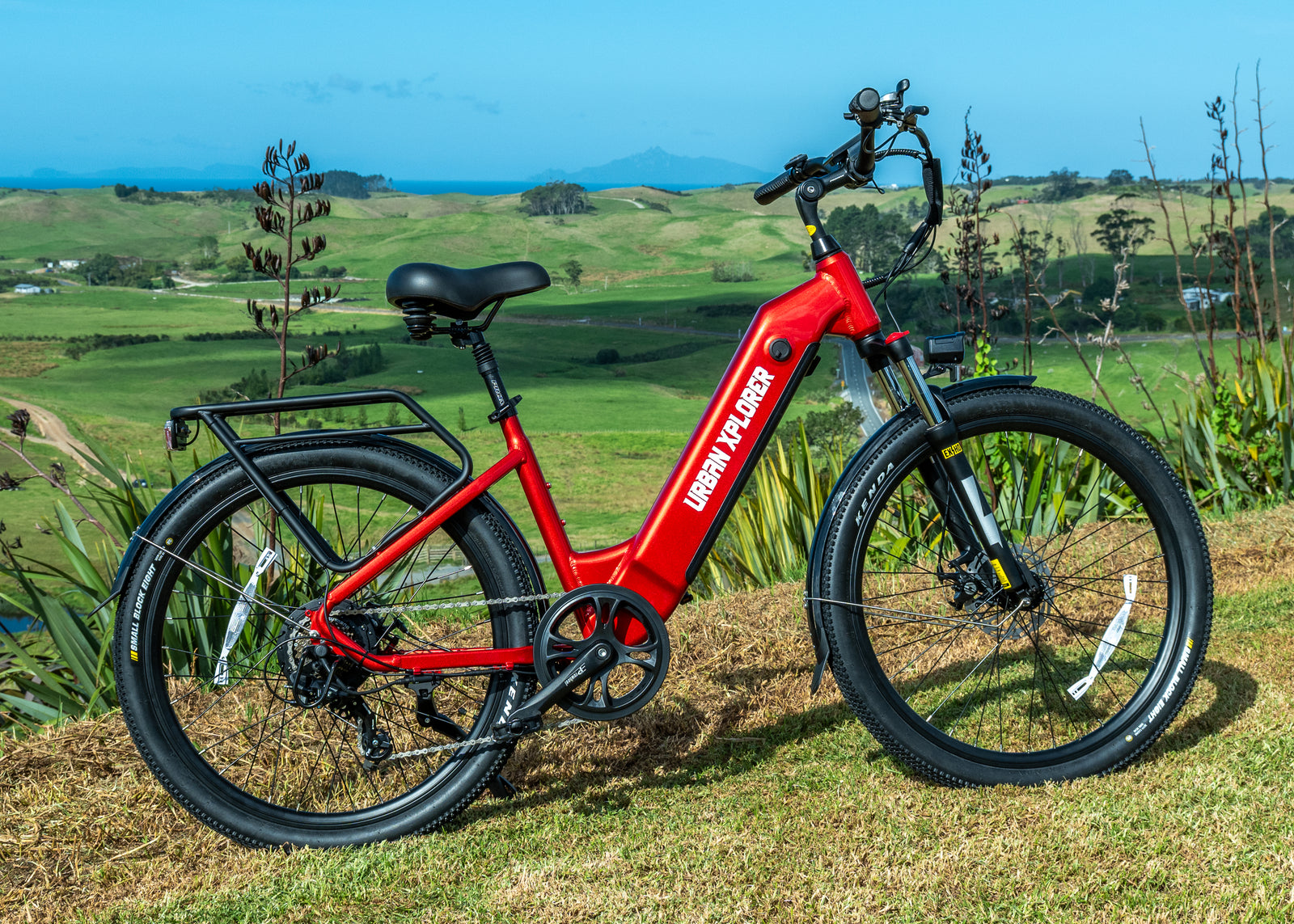
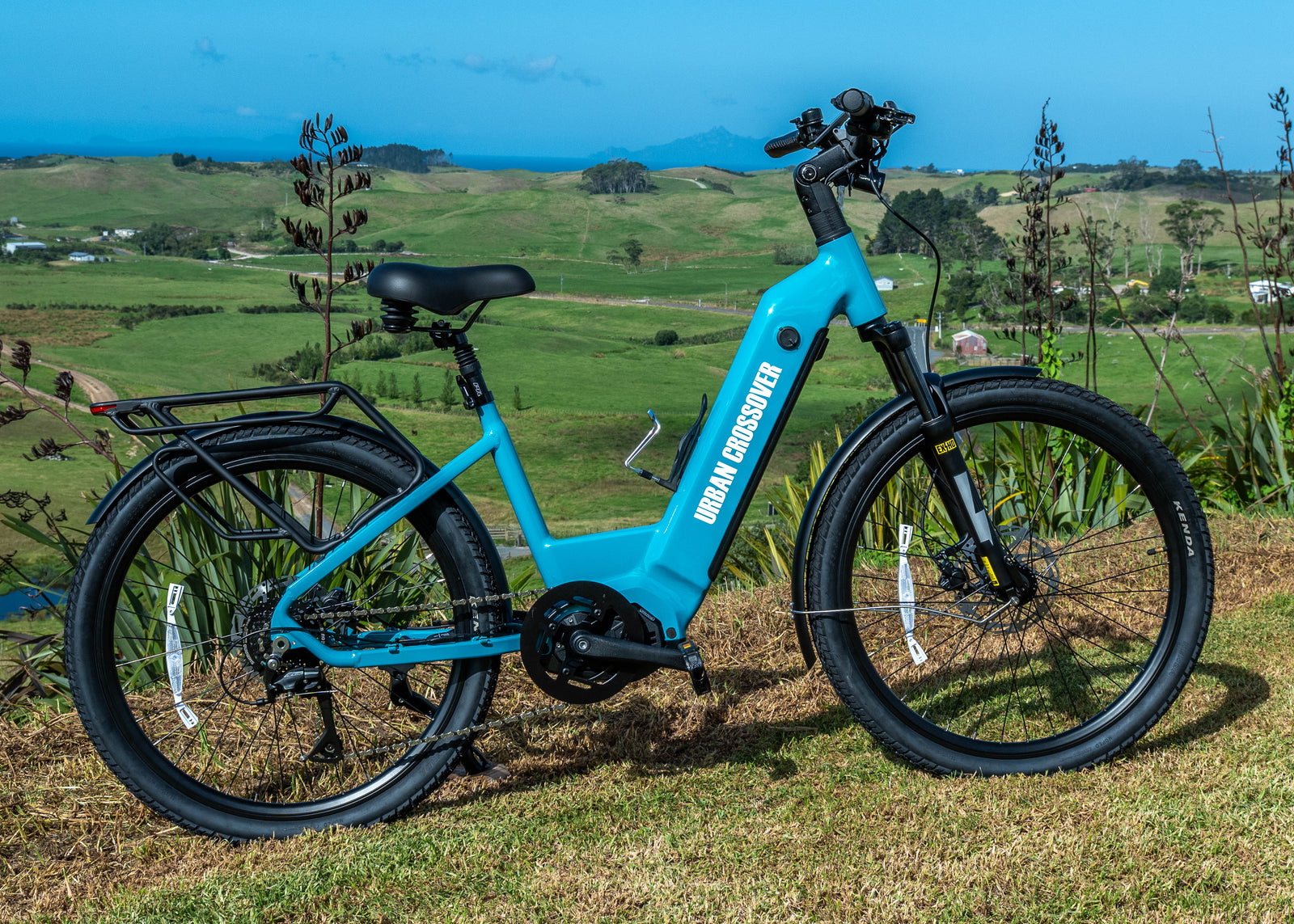
E-bikes, on the other hand, use a lithium-ion battery, an electric motor (usually mid-drive or hub-drive), and a controller. These work together to assist your pedalling. In some models, you can pedal normally, use the motor for help, or even go in a low-powered “electric-only” mode depending on the bike.
-
In practical terms: an e-bike with a 250 W motor (a common spec) can easily maintain speeds of about 20–25 km/h on flat ground — making hills, headwinds, or long rides feel a lot easier.
-
2. Riding Experience: Effort & Speed
-
On a traditional bike, cruising on flat roads might be around 12–20 km/h, but hills or wind can make things challenging. Riders can get tired quickly, especially on long or steep rides.
-
With an e-bike, motor assistance helps keep a smoother, more constant speed — often around 20–30 km/h, even when tackling hills or gradients. The boost significantly reduces how much effort you need to put in.
-
One downside: e-bikes are heavier (typically 10–20 kg more) because of the motor and the battery. That means if your battery runs out mid-ride, pedalling the bike on its own can feel much tougher.
3. Cost Structure: Upfront vs Ongoing
-
Ordinary bicycles are generally cheaper to buy, especially entry-level models, and they cost little to maintain. Typical maintenance includes chain lubrication, brake checks, and occasional tune-ups.
-
E-bikes cost more up front, largely because of the battery and motor. But when you ride them, “fuel” costs are pretty low — charging the battery uses minimal electricity. Still, batteries degrade over time, so replacement (every few years, depending on use) adds to the long-term ownership cost.
4. When Each Bike Makes the Most Sense
-
Ordinary bikes are great for:
-
Short trips (e.g. pop down to the dairy, local errands)
-
Exercise — for people wanting a genuine workout
-
Leisure rides, especially on well-maintained bike paths or in parks
-
-
E-bikes are ideal for:
-
Longer commutes (for example, riding into the CBD from the suburbs)
-
Carrying cargo (like groceries or work gear)
-
Riders who want the benefits of cycling but don’t want to arrive sweaty or overly tired
-
Older adults or people recovering from injury who still want to cycle
In a New Zealand city like Auckland or Wellington, where hills and wind are common, the assistance from an e-bike makes a big difference. Plus, as e-bike infrastructure grows (bike lanes, parking), they’re becoming a very practical option.
-
5. Maintenance: Simpler vs More Complex
-
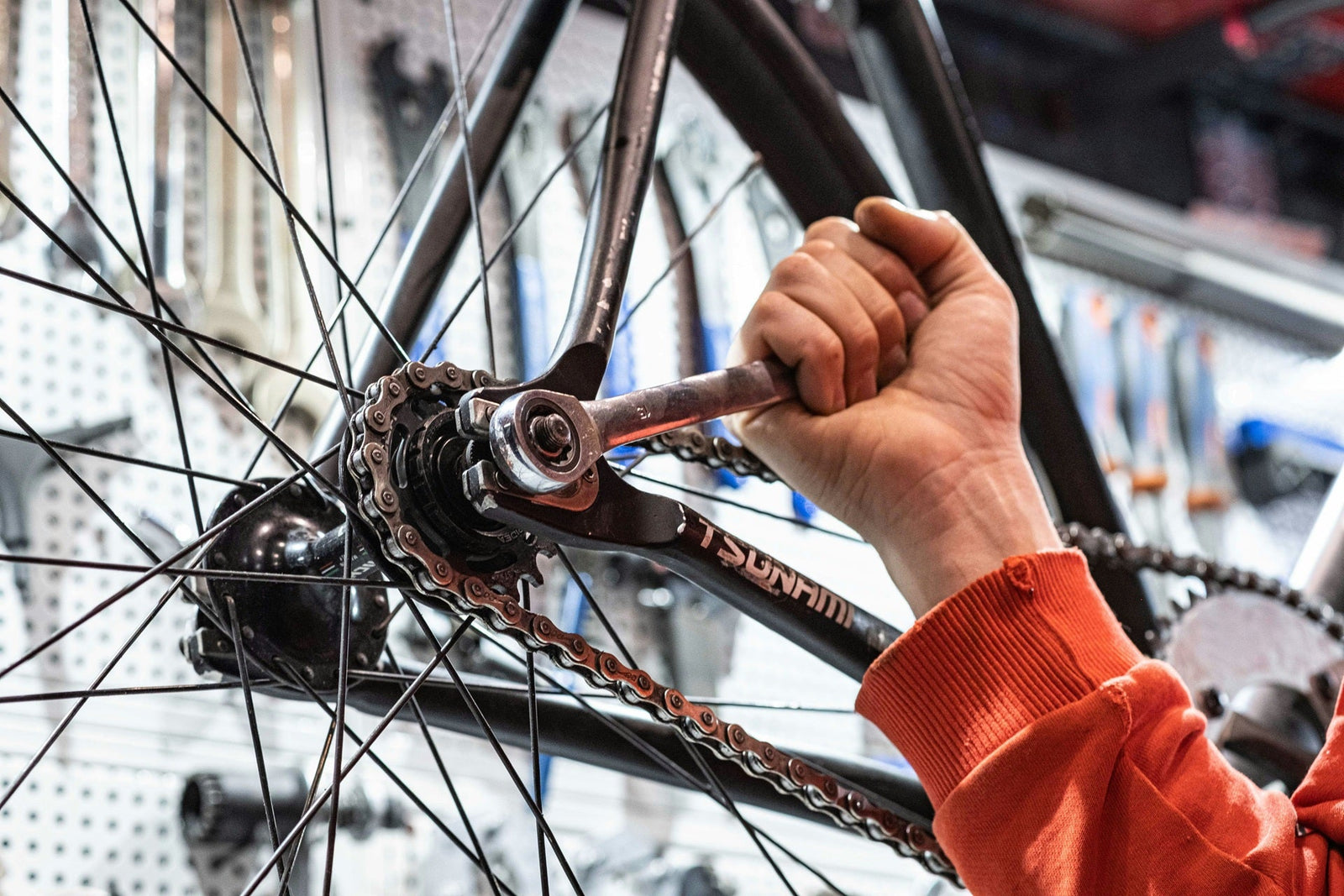
Regular bikes are straightforward to maintain. Cleaning, chain lube, brakes — most riders can do these themselves or take their bike to a local workshop.
-
E-bikes, meanwhile, need the same mechanical maintenance plus attention to:
-
Battery condition: correct charging helps prolong life and performance.
-
Motor care: water damage or impacts can cause issues.
-
Electronics: sometimes, servicing needs a specialist, which could be a local e-bike shop or a technician familiar with motor systems.
-
6. Health & Environmental Impact
-
E-bikes still encourage physical activity. Even though they assist, you’re pedalling — which contributes to moderate exercise. According to research in New Zealand, e-bike use can maintain health-enhancing activity levels, especially for people who might otherwise not cycle.
-
On the environmental side, e-bikes are very friendly: they run on electricity rather than petrol, so they produce negligible emissions. In NZ, where around 80% of electricity comes from renewable sources, e-bikes are especially low-impact.
-
Switching short car trips to e-bike rides can also help reduce congestion and pollution in our cities.
7. Risks & Safety
-
Because e-bikes are faster (thanks to motor assistance), riders can reach higher speeds with less effort. This means there’s a potential risk of more serious accidents if not careful — especially for less-experienced riders or older cyclists.
-
It’s important for e-bike riders in NZ to follow safety best practices: wear a helmet, understand how the assist works, and be mindful of bike path rules.
Final Thoughts: Which One Should You Choose?
If you're in New Zealand and you’re deciding between an ordinary bike and an e-bike, think about what you want to use it for:
-
If you want a cost-effective way to stay fit, enjoy recreation, or do short trips — a regular bike may be enough.
-
If you’re commuting, travelling longer distances, or don’t want to struggle with hills, an e-bike could be a smart investment.
Either way, both bikes offer great benefits — just in different ways. And in NZ, the growing e-bike infrastructure makes turning to electric two-wheelers an increasingly practical and sustainable choice.