








When you're off on a long trip and the e-bike stays behind, looking after the battery isn’t just a nice to-do—it’s essential for preserving performance and safety. Whether you're heading away for a weekend bach stay or a working holiday overseas, follow this scenario-based guide to keep your battery in good nick: before you leave, while you’re away, and when you return.
Before your trip: Charge properly and do a check-up
Battery charge handling
-
If you’ll be gone 7 days or less: Charge your e-bike battery to around 80%-90%. Avoid topping it to 100% if it’s going into storage; with full charge, internal ions are more active which accelerates wear.
-
If you’ll be gone more than a week: Aim for a 50%-60% charge (“half-charge storage”), and if possible disconnect the battery from the bike so you don’t risk parasitic drain (standby loss).
Physical check
-
-
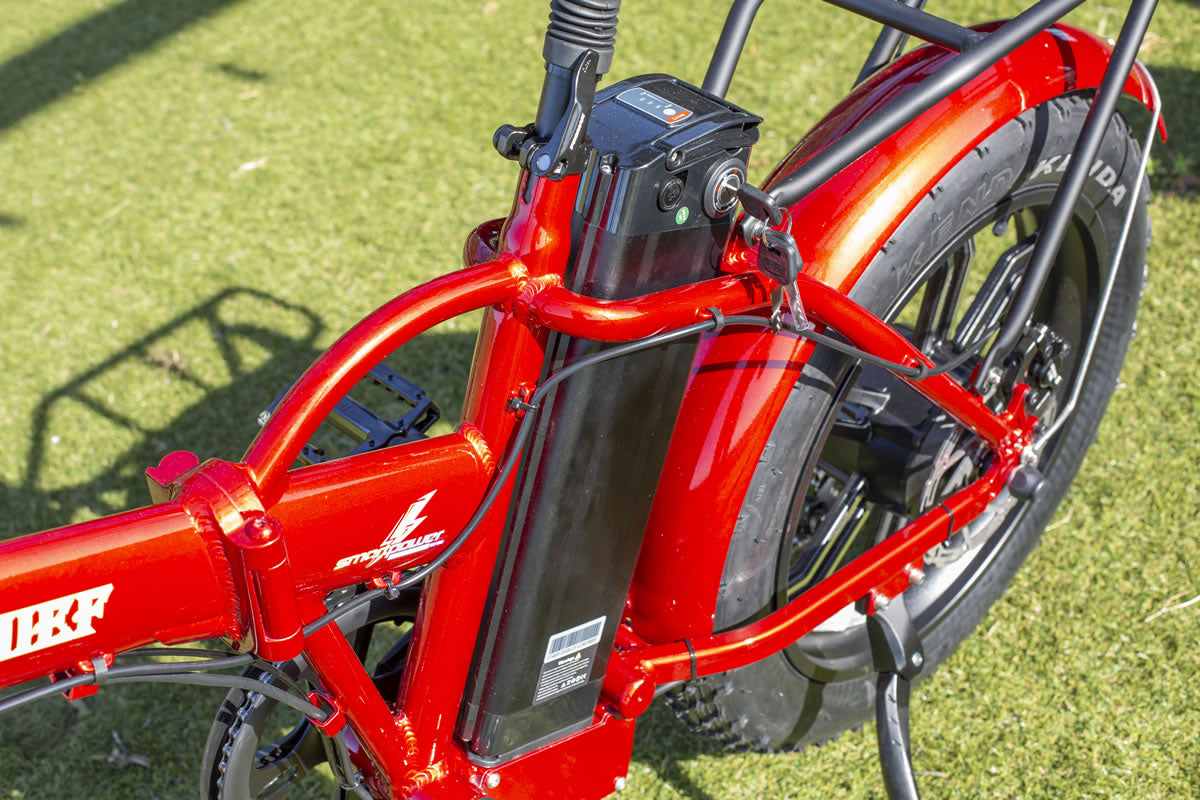
Inspect the battery case for cracks, bulges or damage — if it’s compromised, don’t store it without addressing the issue.
-
Clean off any dust or water from the connection ports to avoid contact issues when you return.
-
Avoid leaving the battery outside or in direct sun: heat, UV and moisture accelerate ageing. Store it in a dry, ventilated spot at around 5 °C to 25 °C. If you’re in Auckland or elsewhere in NZ where it can get humid, choose an indoor cupboard or a shed with airflow.
-
While you’re gone: Long-term storage tips
Recharge regularly (this matters!)
If the battery remains unused for 15 days or more, ask someone to recharge it back to 50%-60% every 15-20 days. If you don’t have someone available, consider a timer-enabled charger so it can automatically top up at intervals.
Why? If a lead-acid battery sits too low it can “sulphate” (which permanently reduces capacity); lithium-ion batteries likewise degrade if left near zero.
Avoid pressure & shaking
If the battery has been removed from the bike, store it on a flat surface, avoid stacking heavy items or exposure to vibration (especially for lithium-ion types, which are sensitive to internal short-circuit risks).
After you return: Re-activate the battery & deep check
Slow charging to reactivate
Use the original charger that came with the bike. Avoid “fast charge” for the first cycle after storage — it’s gentler on the cells. Charge to 100%, then let the battery sit for an hour or two to allow internal cell voltages to equalise.
Performance test
If you notice your typical range has dropped significantly (for example you used to get 50 km and now only about 30 km), do two or three full charge/discharge cycles:
-
Charge to 100%
-
Ride until low battery
-
Recharge to 100% - This helps restore better cell balance.
-
Check connections - Wipe down terminals with a dry cloth. If you spot white or black oxide/corrosion, gently use an eraser to clean it off — good conductivity means better performance.
Habit tip for long life
Adopt “shallow cycles”: try to charge to around 90% rather than always to 100%, and avoid full discharges when possible. This will help extend the cycle life of your battery.
Quick emergency tips
-
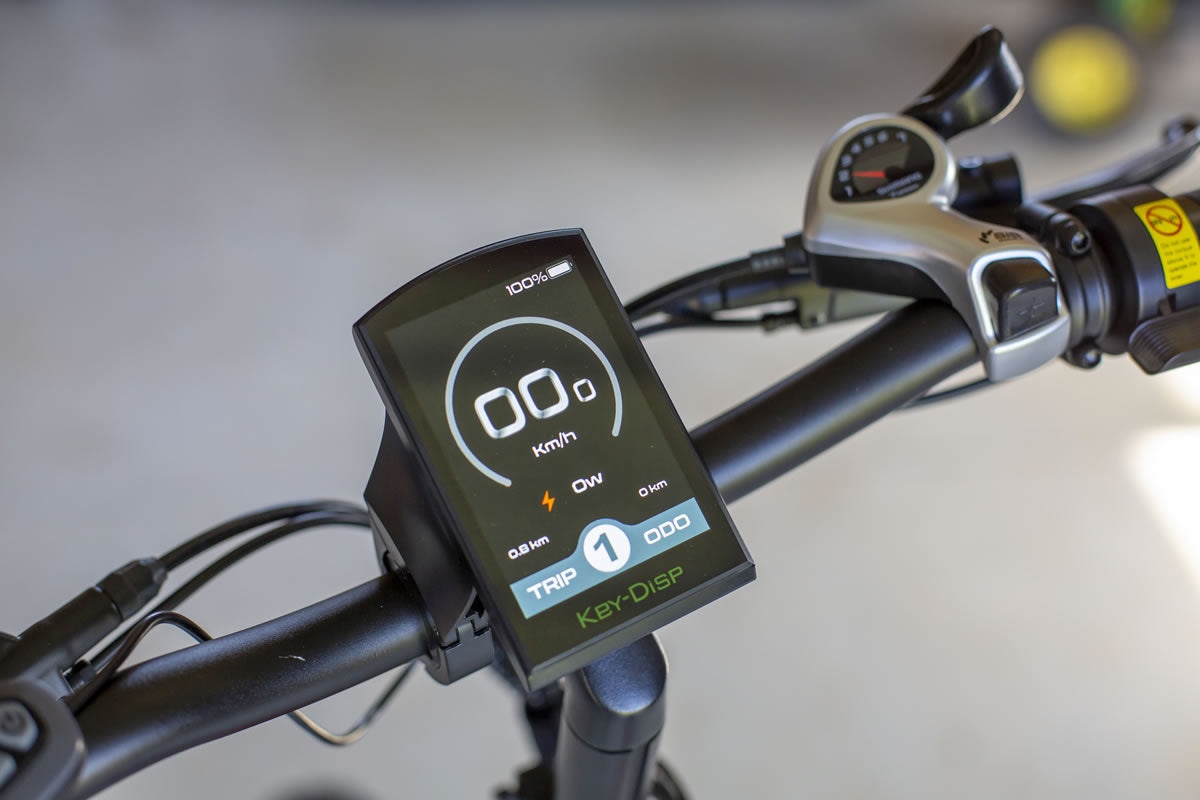
If you’re going away somewhere remote (e.g. the Wairarapa, Central North Island, or deep South), share the battery storage location and charging schedule with a trusted friend or family member. Or better yet, use a smart e-bike battery that lets you monitor charge health via an app.
-
Warning signs: If the battery bulges, smells funny, overheats, or poses visible damage — stop using it immediately and consult a professional. The risk increases if these symptoms appear after storage.
By following these steps, you'll safeguard your e-bike’s battery during your absence — so when you ride again in NZ’s beautiful terrain, you’ll get back in the saddle with full confidence that your range and ride quality are still good.